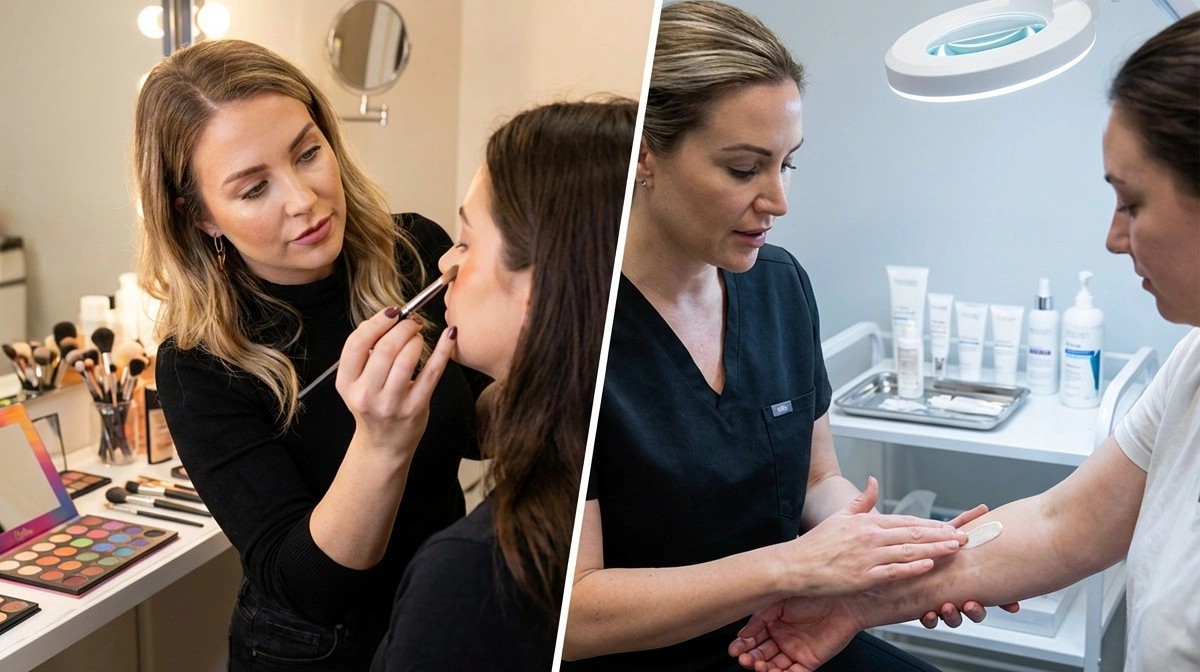
Appearance-Related Bullying: How Skin Camouflage Can Help
Anti-Bullying Week runs from 16 to 20 November this year, and the national theme is “Break the Silence”. For many people living with a visible difference, silence is exactly how bullying survives. Children and young people with vitiligo, scarring, birthmarks, burns or other skin conditions are often targeted because of how they look, and some say nothing to anyone.
Skin camouflage practitioners are trained to understand that the emotional impact of a skin condition deserves the same attention as the physical one. This approach follows Sir Archibald McIndoe’s 50/50 philosophy, which treats the medical and the psychological as equally important. It applies just as much to the emotional impact of appearance-related bullying.
Why so many stay silent
People who are bullied about their appearance often fear that speaking up will draw more attention to the very thing they are trying to cope with. They may worry they won’t be believed, or that the response will make things worse. Others come to see the comments as something they just have to put up with.
The result is that the emotional toll can build up unseen, affecting confidence, social life and willingness to take part in everyday activities.
How skin camouflage can help
Skin camouflage is not a solution to bullying, and it should never be presented as one. The responsibility for stopping bullying lies with schools, families and communities, not with the person being targeted.
What camouflage can do, however, is give a person more choice over how they present themselves. For some, covering a visible difference simply means they can walk into a room without feeling on show. A person who feels more in control of that moment may also find it easier to join in, to speak up, and to ask for help.
What to expect at your appointment
A skin camouflage appointment is a safe, private space. Your practitioner will focus on you and not on your condition, and you can talk about your experiences as much or as little as you like. They will listen before offering advice, and ask what you are hoping to achieve. If you’re under 18, they can talk with you about involving a parent or carer in follow-up support. Qualified practitioners undertake safeguarding awareness as part of their training and may encourage you to speak to a teacher, your GP or another trusted source of help. They will also be honest that camouflage can help you feel more confident but does not replace tackling the bullying itself, and that stopping bullying is the responsibility of others, never yours.
To find a practitioner, search our directory. To join the network, visit our membership page.